Hi, my name is Penelope, and I have been studying paralegal for almost 2 years. My glossary is for everybody who has an interest in Paralegal, and wants to know a little bit more about the words that we use.
In Paralegal Technology, most of the time we study law, and rules, and we use specifics terms. So, my glossary may help you to understand better the vocabulary that paralegal, and lawyer use every day.
My glossary has 20 terms and for each of them, there is the part of speech, the pronunciation, the definition, the translation to French, an example, and a picture.
I found my words and my definition in the Actively Engaged Online textbook.
Accused
noun
An accused is someone appearing on a criminal charge.
Example: An accused can choose between keep silence or coopering with the police.
fr: Accusé(e)
Act
noun
An act is a proceeding designed to have a legal effect. An act by an individual aimed at altering, terminating, or otherwise affecting a legal right
Example: The act respecting labour standards is make to protect the security of the employees.
fr: Loi
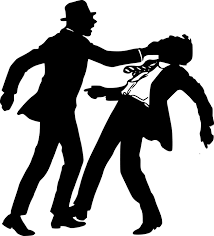
Assault
noun
An assault is to make a physical attack on someone.
Example: You are accused of a sexual assault on a minor.
fr: Agression
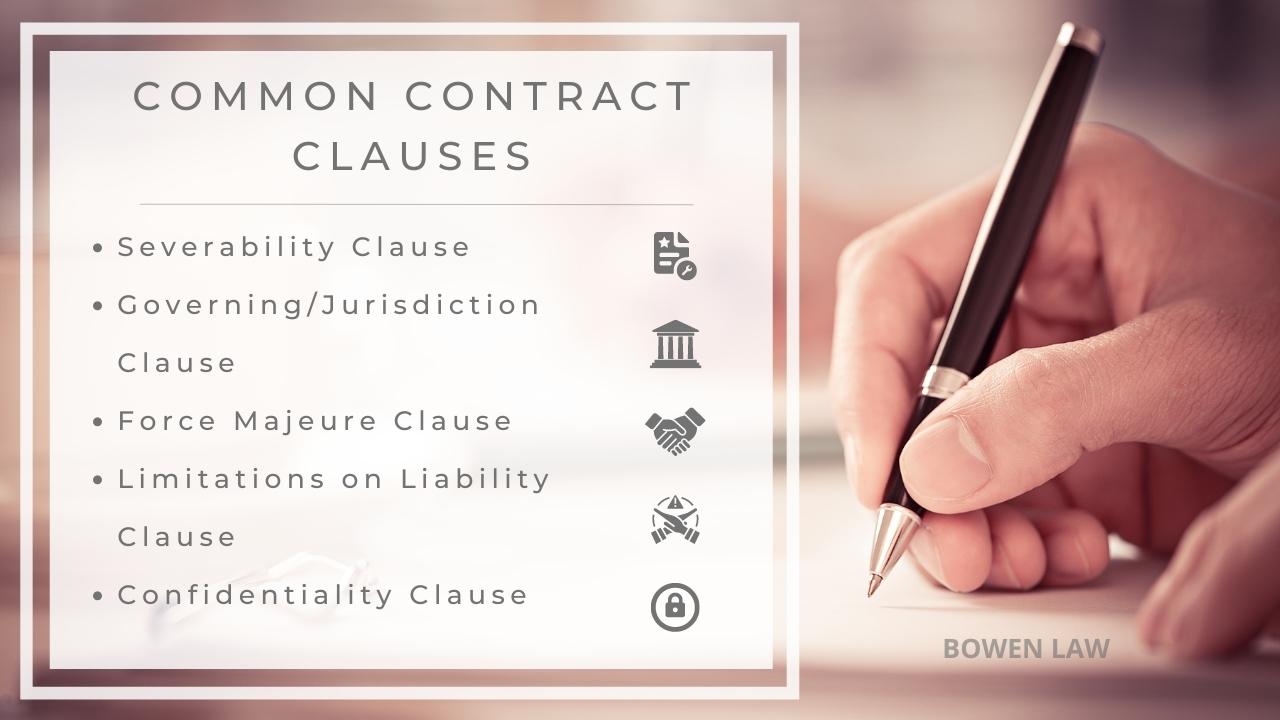
Clause
noun
A clause is a particular and separate article, stipulation, or proviso in a treaty, bill, or contract.
Example: A contract can have a non-competition clause.
fr: Clause
Common law
noun
Common law is the part of English law that is derived from custom and judicial precedent rather than statutes. Often contrasted with statutory law.
Example: Common law comes from English law.
fr: Aucun mot équivalent en Français
Constitutional law
noun
Constitutional law is the body of law which defines the relationship of different entities within a state, namely, the executive, the legislature, and the judiciary.
Example: The Canadian Charter of Rights and Freedoms is a constitutional law.
fr: Loi constitutionnelle
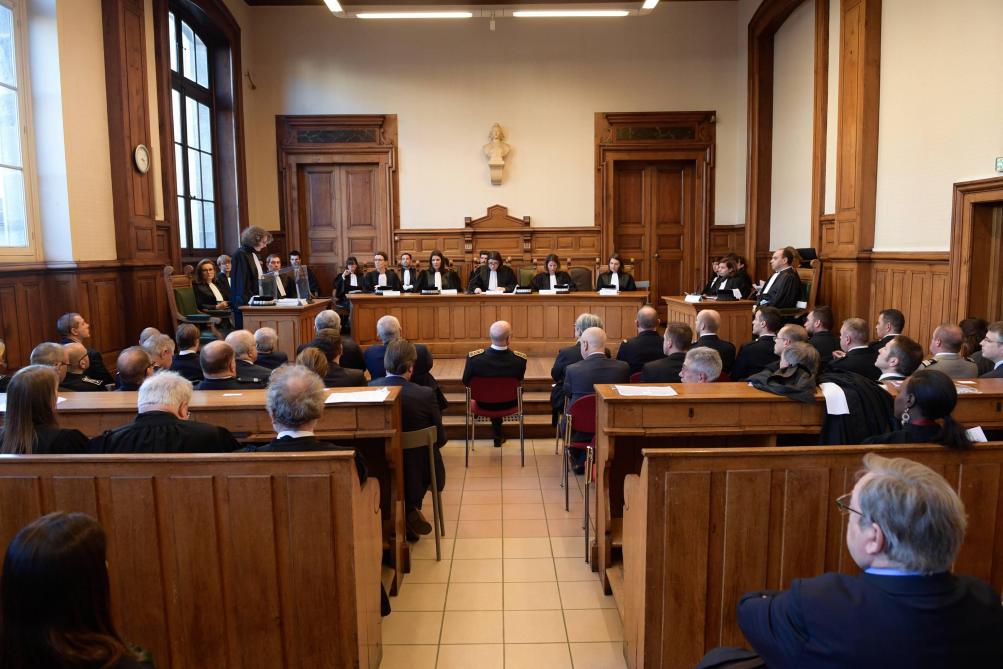
Courthouse
noun
A courthouse is a public building in which courts of law are held.
Example: All of trials happens in a courthouse.
fr: Palais de justice
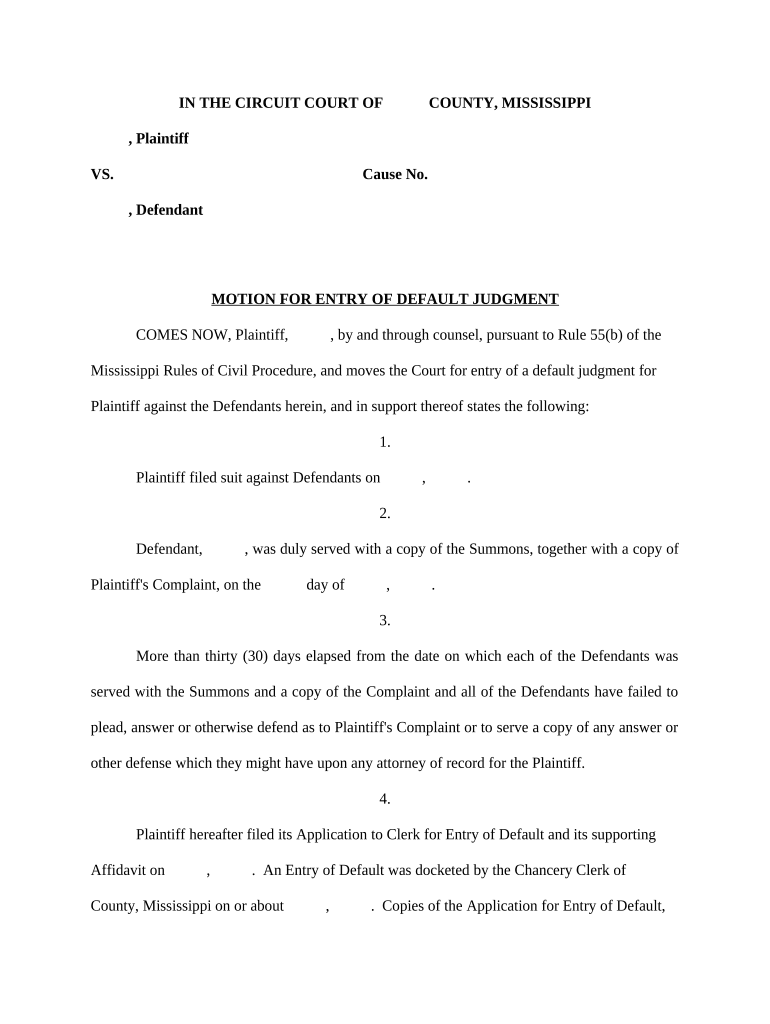
Default judgement
noun
A default judgment is a judgment entered in favor of the plaintiff when the defendant defaults (fails to appear in court).
Example: If you don't come to the trial, you will have a default judgment.
fr: Jugement par défaut
Doctrine
noun
Doctrine is a belief or set of beliefs held and taught by a church, political party, or other group.
Example: Doctrine is very useful when a paralegal is doing research.
fr: Doctrine
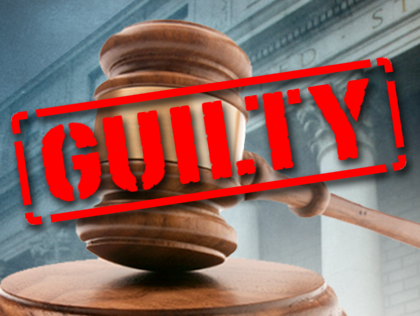
Guilty
adjective
Guilty means culpable of or responsible for a specified wrongdoing.
Example: You were found guilty of a murder.
fr: Coupable
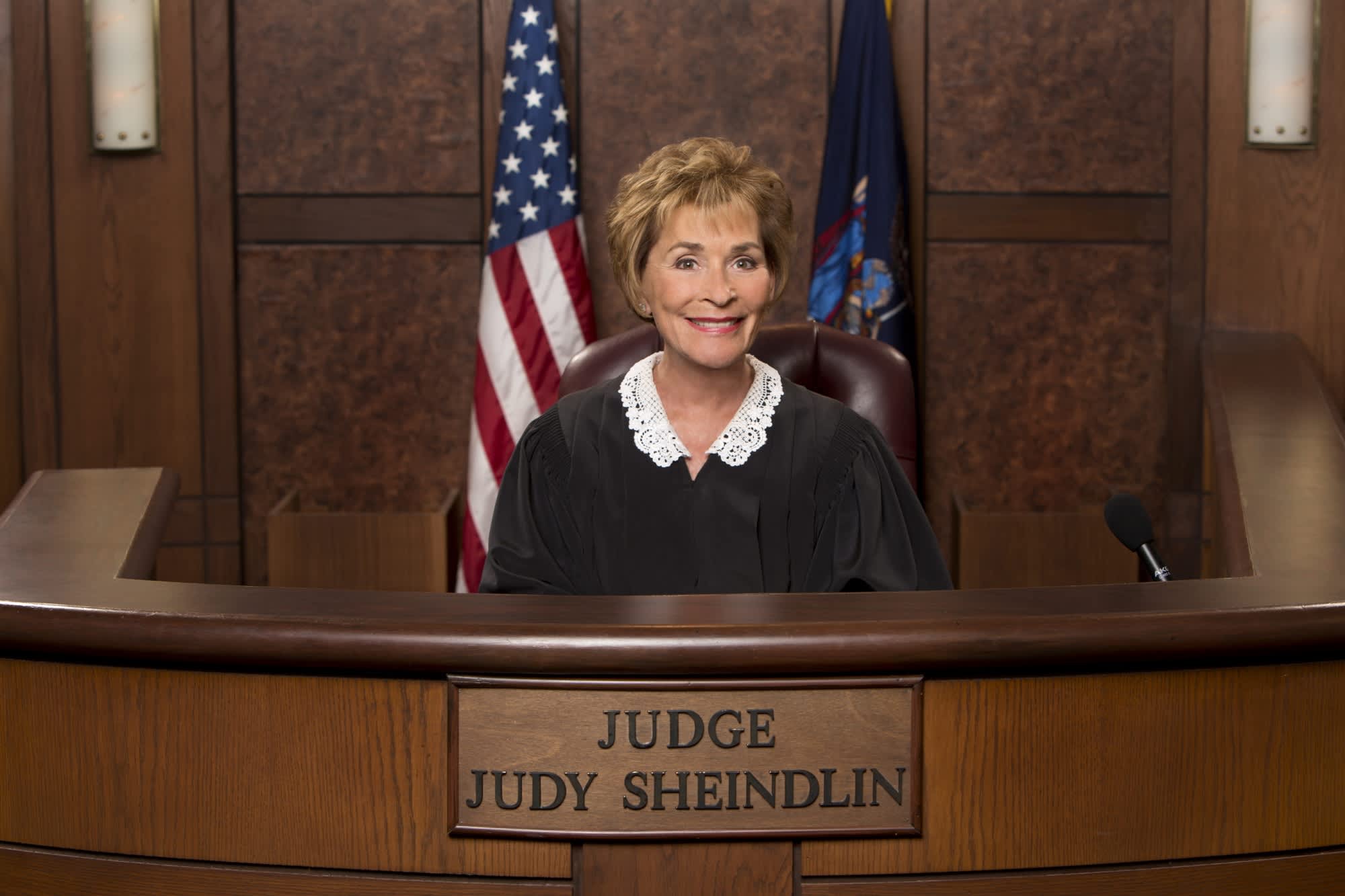
Judge
noun
A judge is a public official with authority to hear cases in a court of law and pronounce judgment upon them.
Example: The judge gives a life sentence to the accused.
fr: Juge
Jurist
noun
A jurist is an expert in or writer on law.
Example: I have a meeting with my jurist to prepare me to the trial.
fr: Juriste
Law
noun
Law is the system of rules that a particular country or community recognizes as regulating the actions of its members and may enforce by the imposition of penalties.
Example: The law must be respected by society.
fr: Loi
Mediation
noun
A mediation is an intervention in a dispute in order to resolve it; arbitration.
Example: I have a mediation tomorrow morning.
fr: Médiation
Notary
noun
A notary is a person authorized to perform certain legal formalities, esp. To draw up or certify contracts, deeds, and other documents for use in other jurisdictions.
Example: My notary will give me information about my testament.
fr: Notaire
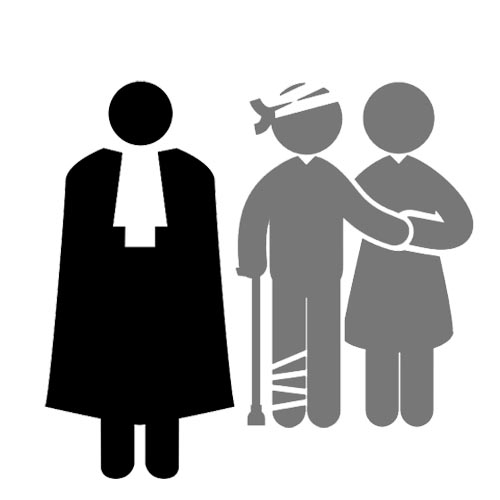
Prejudice
noun
A prejudice is harm or injury that results or may result from some action or judgment.
Example: Last week, I was at a party, and there was a lot of ice on the steps. I fell, and now my arm is broken. This is prejudice.
fr: Préjudice
Probation
noun
A probation is the release of an offender from detention, subject to a period of good behavior under supervision.
Example: I have a probation of one year, and after that, I will be free.
fr: Probation
Trial
noun
Trial is a formal examination of evidence before a judge, and typically before a jury, in order to decide guilt in a case of criminal or civil proceedings.
Example: My trial this week will be hard to win.
fr: Procès
Verdict
noun
A verdict is a decision on a disputed issue in a civil or criminal case or an inquest.
Example: The judge will give his verdict in two hours.
fr: Verdict
Witness
noun
A witness is a person who sees an event, typically a crime or accident, take place.

:max_bytes(150000):strip_icc()/common-law_sourcefile-1636c3563ba04d88919f87d22c4f0349.jpg)